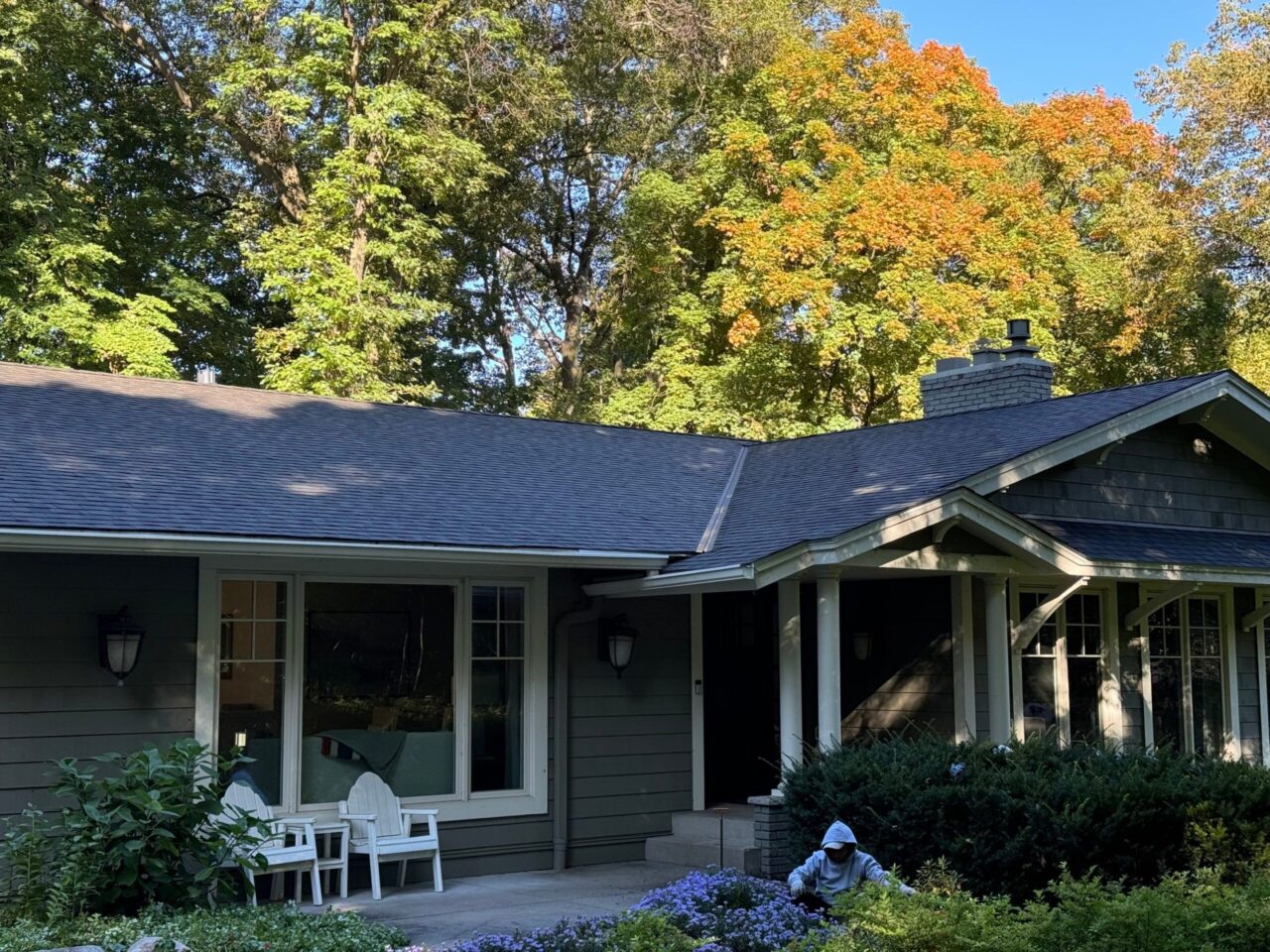
Don’t wait until the next storm hits! Here’s how to spot the difference between minor wear and damage that could lead to costly repairs.
Your roof takes a beating year-round. From freezing winters to summer hail, it’s constantly exposed to elements that can wear it down over time. But how do you know when what you’re seeing is normal aging versus storm-related damage that needs attention or even qualifies for insurance coverage?
Let’s break down the key differences, so you know exactly when to call in a professional.
What Counts as Storm Damage
Severe weather can wreak havoc on your roof, often in ways that aren’t immediately visible from the ground. Common types of storm damage include:
- Hail Impact: Hail can bruise or crack shingles, knocking off protective granules and shortening their lifespan.
- Wind Damage: Strong gusts can lift or crease shingles, leaving your roof vulnerable to leaks.
- Debris Damage: Fallen branches or flying debris can puncture shingles or gutters.
- Flashing or Vent Dents: Dents in metal flashing or roof vents are strong indicators of hail impact.
Even if your roof looks fine from below, these issues can allow water to seep in slowly, leading to major damage months later.
What’s Just Normal Wear & Tear
Not every imperfection is cause for alarm. Roofs naturally age, and a few cosmetic changes are completely normal:
- UV Fading: Shingle color may lighten over time due to sun exposure.
- Granule Shedding: A small amount of granule loss is expected as shingles age.
- Minor Cracks or Curling: Thermal expansion and contraction can cause small imperfections that don’t immediately impact performance.
However, if you notice these signs progressing quickly, or after a recent storm, it’s best to have a professional inspection to rule out underlying damage.
How to Inspect Safely from the Ground
You don’t need to climb on your roof to check for damage. Here’s how to safely inspect from the ground:
- Use binoculars to look for missing, curled, or lifted shingles.
- Check your gutters for shingle granules after storms.
- Look for dents in metal flashing, vents, or gutters – a clear sign of hail impact.
- Walk around your home’s perimeter and look for fallen debris or damaged siding.
If you notice anything suspicious, avoid going up on the roof yourself – it’s safer and more effective to call in a licensed professional.
When to Call a Professional
You should schedule a roof inspection when:
- A major storm or hail event recently passed through your area.
- You notice leaks, ceiling stains, or musty odors inside your home.
- Your roof is 10+ years old and hasn’t been inspected recently.
- You’re buying or selling a home and want peace of mind.
At Home Front Exteriors, our inspections combine traditional expertise with advanced tools like drone thermal imaging, giving you a full picture of your roof’s condition without anyone needing to walk on it.
Why Professional Inspections Matter
A trained eye can tell the difference between wear and actual storm damage. That difference matters when it comes to your wallet. Insurance companies typically only cover storm-related issues, not general aging, so having a documented inspection is key if you ever need to file a claim.
Our team provides:
- Detailed Photo Reports for insurance documentation
- Clear Recommendations for repair or replacement
- Honest Assessments with no unnecessary upsells
Protect Your Roof and Your Home
Your roof is your home’s first line of defense against the elements. Don’t wait until small issues turn into major repairs.
If you’ve experienced a recent storm or simply want peace of mind about your roof’s condition, schedule a free roof inspection with Home Front Exteriors today. We proudly serve homeowners across Minnesota and Wisconsin with fast, reliable service. We’ll make sure you know exactly what your roof needs before problems start.